

The Enigmatic Charm of Yamya: Exploring the Afro-Cuban Goddess Mythos

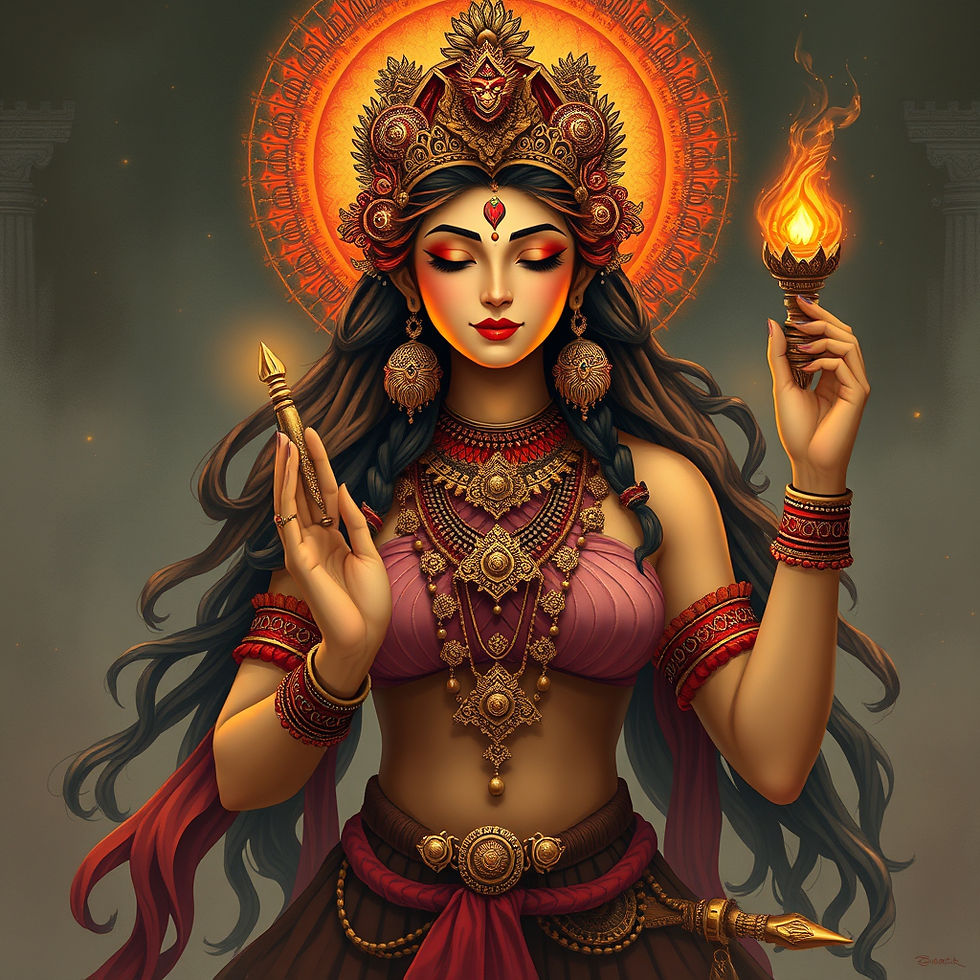
The Afro-Cuban spiritual world is rich with deities whose stories and powers shape the cultural and religious landscape of Cuba and beyond. Among these divine figures, Yamya stands out as a goddess whose mythos blends African roots with Cuban traditions, creating a unique and captivating presence. This post explores Yamya’s origins, symbolism, and role within Afro-Cuban spirituality, offering insight into her enduring appeal.
Origins of Yamya in Afro-Cuban Culture
Yamya’s story begins in the Yoruba religion of West Africa, where she is known as Yemoja or Yemaya, the mother of all Orishas and the goddess of the seas and motherhood. When enslaved Africans were brought to Cuba, they carried their beliefs with them. Over time, these beliefs merged with Catholicism and indigenous practices, forming the syncretic religion known as Santería.
In this context, Yamya evolved into a powerful Afro-Cuban goddess, embodying the nurturing and protective qualities of the ocean. She is often associated with the moon, fertility, and feminine strength. Her worshippers see her as a source of life and healing, reflecting the vital role water plays in sustaining communities.
Symbolism and Attributes of Yamya
Yamya’s symbolism is deeply connected to water, motherhood, and protection. She is often depicted as a beautiful woman dressed in flowing blue and white garments, colors that represent the sea and purity. Her presence evokes calmness and strength, reminding followers of the ocean’s dual nature—gentle yet powerful.
Key symbols linked to Yamya include:
Water and seashells: Represent her dominion over the ocean and its life-giving properties.
Moon: Symbolizes her connection to feminine cycles and intuition.
Fish and aquatic animals: Emphasize fertility and abundance.
Blue and white beads: Used in rituals to honor her and seek her blessings.
These symbols are not just decorative; they serve as tangible connections to Yamya’s energy during ceremonies and personal devotion.
Yamya’s Role in Rituals and Daily Life
In Afro-Cuban religious practice, Yamya holds a central place. Devotees call upon her for protection, fertility, and emotional healing. Her rituals often involve offerings of water, fruits, and flowers, accompanied by drumming and singing to invite her presence.
One common practice is the celebration of her feast day, which includes:
Gathering near bodies of water such as rivers or the ocean.
Offering gifts like molasses, honey, and white flowers.
Wearing blue and white clothing to honor her colors.
Performing dances and chants that recount her stories and powers.
These rituals strengthen community bonds and provide spiritual support. Yamya’s influence extends beyond formal ceremonies; many Afro-Cubans invoke her in daily prayers for guidance and comfort.
Yamya’s Influence on Afro-Cuban Art and Culture
Yamya’s mythos has inspired various forms of artistic expression in Cuba. From paintings and sculptures to music and dance, her image and story resonate deeply with artists who seek to capture her essence.
For example:
Visual artists often portray Yamya with flowing water motifs and serene expressions, emphasizing her nurturing nature.
Musicians incorporate rhythms and songs dedicated to her, blending traditional African beats with Cuban styles.
Dancers embody her fluid movements, representing the waves and tides she controls.
Through these creative outlets, Yamya’s presence remains vibrant and relevant, connecting past traditions with contemporary culture.
Understanding Yamya’s Appeal Today
Yamya’s enduring charm lies in her ability to represent both strength and compassion. In a world that often demands resilience, her image as a protective mother and powerful goddess offers comfort and inspiration.
People drawn to Afro-Cuban spirituality find in Yamya a figure who understands the complexities of life—its challenges and its beauty. Her connection to nature and the cycles of life reminds followers to respect the environment and honor their roots.
Moreover, Yamya’s story highlights the resilience of African heritage in the Americas, showcasing how traditions adapt and thrive despite adversity.


Comments