

The Mystical Essence of Oshun Goddess in Afro-Cuban Spirituality


Oshun stands as one of the most revered figures in Afro-Cuban spirituality, embodying beauty, love, and prosperity. Her presence is deeply woven into the religious practices and cultural expressions of communities that honor the Yoruba traditions brought to Cuba through the transatlantic slave trade. Understanding Oshun’s role offers insight into how spirituality shapes identity, healing, and social bonds in Afro-Cuban life.
Who Is Oshun?
Oshun is a powerful orisha, a divine spirit in the Yoruba pantheon, known primarily as the goddess of fresh water, fertility, and sensuality. She governs rivers, lakes, and all sources of sweet water, symbolizing life and renewal. In Afro-Cuban religion, particularly Santería (also called Regla de Ocha), Oshun is celebrated for her generosity, charm, and ability to bring joy and abundance.
Her stories often highlight her intelligence and compassion, as well as her fierce protection of those she loves. Oshun’s energy balances strength with tenderness, making her a beloved figure for those seeking love, healing, and prosperity.
Oshun’s Role in Afro-Cuban Spiritual Practices
In Santería, Oshun is one of the most frequently invoked orishas. Devotees turn to her for help with matters of the heart, fertility, and personal growth. Her rituals often involve offerings of honey, oranges, and other sweet items, reflecting her association with sweetness and attraction.
Priests and practitioners honor Oshun through music, dance, and elaborate ceremonies. These rituals serve multiple purposes:
Healing: Oshun’s waters are believed to cleanse physical and spiritual ailments.
Love and Relationships: She helps mend broken hearts and attracts new love.
Prosperity: Oshun’s blessings are sought for financial success and creative inspiration.
Her festivals, such as the annual celebration on September 8th, bring communities together to honor her with vibrant parades, drumming, and prayers.
Symbolism and Iconography of Oshun
Oshun’s symbols reflect her connection to water, femininity, and wealth. Common elements include:
The Fan: Often made of peacock feathers, symbolizing beauty and grace.
The Mirror: Represents self-awareness and reflection.
Gold and Yellow Colors: These hues signify wealth, warmth, and vitality.
Rivers and Water: Central to her identity, water is a source of life and transformation.
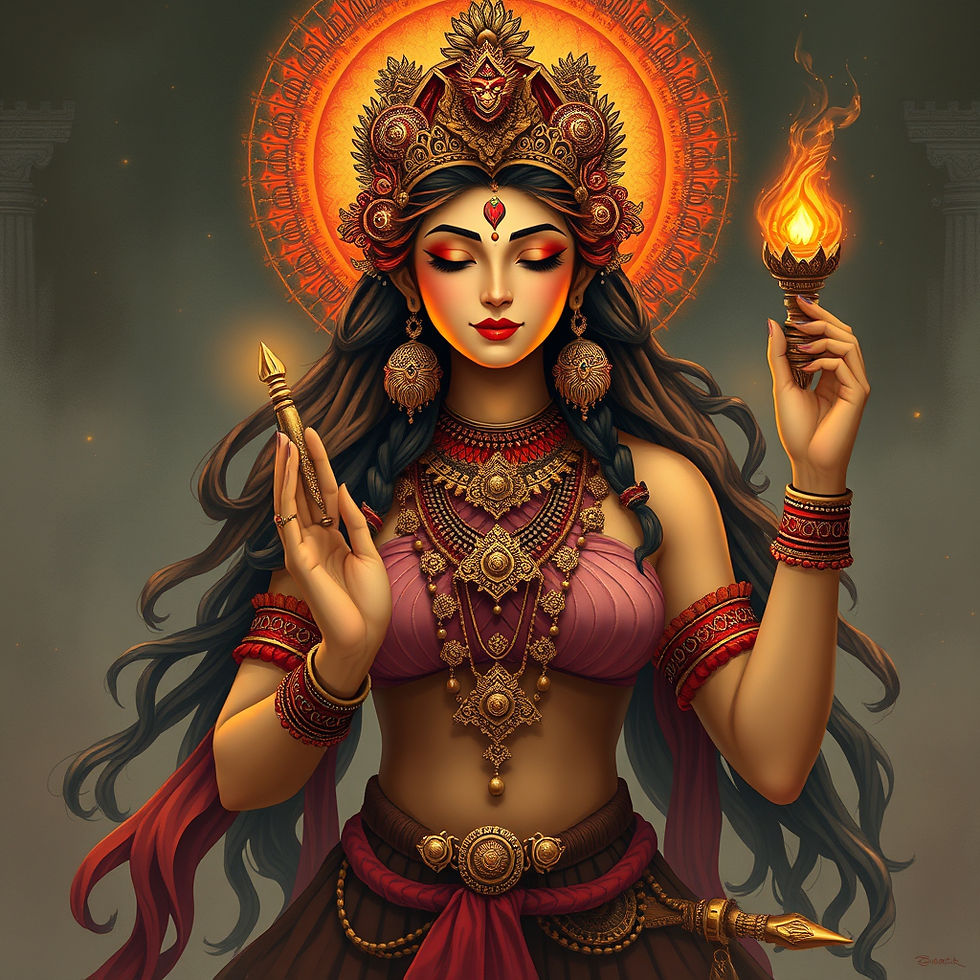
In Afro-Cuban art and altars, Oshun is depicted wearing flowing yellow garments, adorned with beads and jewelry. Her imagery conveys both her nurturing nature and her regal power.
Oshun’s Influence Beyond Religion
Oshun’s impact extends beyond spiritual rituals into Afro-Cuban culture and daily life. She inspires music, dance, and storytelling, serving as a symbol of resilience and feminine strength. Many artists and writers draw on her mythology to explore themes of love, identity, and empowerment.
Her story also offers a framework for understanding the blending of African traditions with Catholicism in Cuba. Oshun is often syncretized with the Virgin Mary, particularly Our Lady of Charity, reflecting how enslaved Africans preserved their beliefs under colonial rule.
Practical Ways Oshun’s Energy Is Invoked Today
People who seek Oshun’s guidance often create small home altars with her symbols and offerings. Here are some common practices:
Offering Honey and Fruits: Sweet foods honor her sweetness and generosity.
Wearing Yellow: To attract her favor and embody her energy.
Water Rituals: Bathing with herbs or river water to invite cleansing and renewal.
Music and Dance: Playing traditional drums and songs to connect with her spirit.
These practices help individuals feel connected to Oshun’s power and find balance in their lives.
The Enduring Legacy of Oshun in Afro-Cuban Spirituality
Oshun remains a vital figure in Afro-Cuban spirituality, representing more than just a goddess. She is a source of hope, healing, and joy for many. Her presence reminds communities of the importance of love, generosity, and respect for nature.
By honoring Oshun, practitioners keep alive a rich cultural heritage that continues to evolve. Her story encourages people to embrace their inner strength and seek harmony in their relationships and surroundings.
For those interested in exploring Afro-Cuban spirituality, learning about Oshun offers a meaningful entry point. Her energy invites everyone to experience the power of compassion and renewal.

Comments